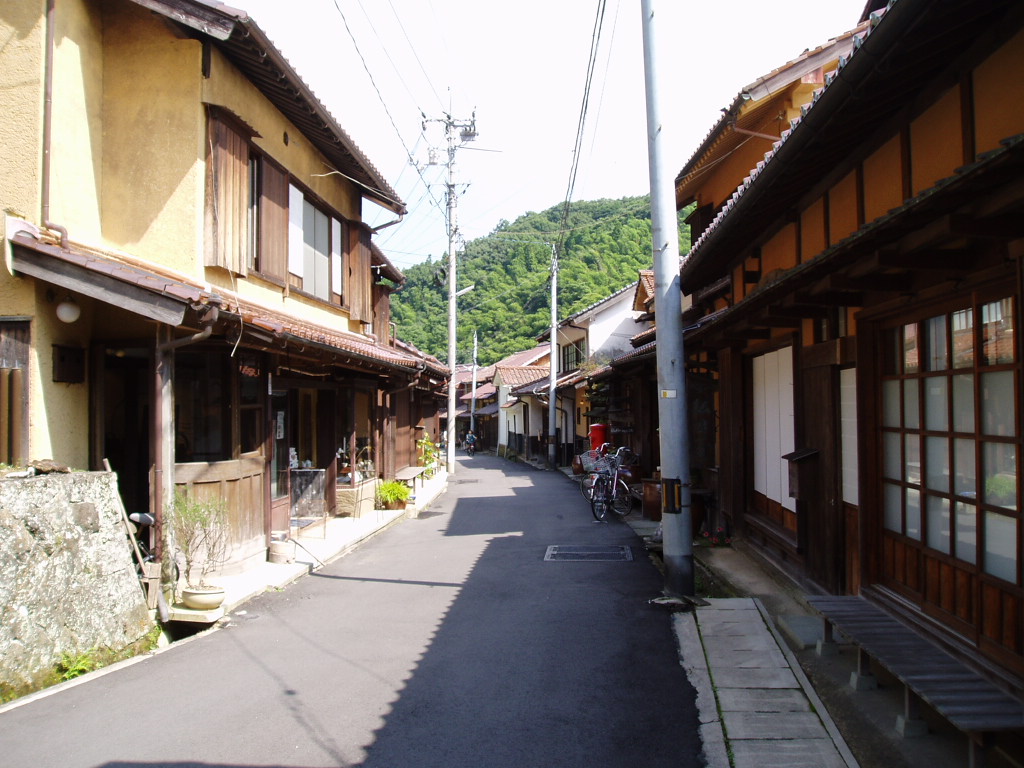
A full UNESCO World Heritage Site that almost no one visits — a walkable merchant town, a mine shaft you can step inside, and a forest that was never clear-cut in 400 years of mining.
- Get thereBus from Odacity Stn.
- SeeOmori · mine shaft
- StayYunotsu Onsen
- Time1–2 days
Getting there
Iwami Ginzan sits inland in Shimane, and the last leg is always a bus. The rail approach is to Oda-shi Station (大田市駅) on the JR San-in Line — about 40 minutes from Izumo-shi, and anywhere from about 55 minutes (the Super Matsukaze limited express, direct) to around 95 minutes on a local train changing at Izumo-shi. From Hiroshima you cross the mountains and lose most of a day, so nearly everyone arrives from the San-in coast side instead.
From Oda-shi Station the Iwami Kotsu bus reaches the site in about 25–30 minutes. It runs roughly once an hour, and the Japan Rail Pass covers the train but not this bus — budget the fare separately.
- Rail
- JR San-in Line to Oda-shi Station — 40 min from Izumo-shi, 55–95 min from Matsue
- Bus
- Iwami Kotsu from Oda-shi Station, about 25–30 minutes
- Fare
- ¥760 to the World Heritage Centre, ¥640 to Omori Daikansho
- Frequency
- Roughly hourly — check the return time before you set out
- JR Pass
- Covers the train, not the bus
Rail and bus times verified against independent timetable sources, 17 Aug 2026 — the Matsue leg was previously listed as 45–90 min, which undershot the fastest limited express and slightly undershot the slowest local-train option.
Which stop you want depends on your plan. Omori Daikansho drops you at the northern end of the preserved street, ready to walk it end to end. The World Heritage Centre is the better start if you want the museum first or are heading straight for the mine shaft; shuttle buses connect the two several times an hour. Private cars are kept out of Omori itself, which is precisely why the street still looks the way it does — park at the centre and walk in.
What to actually see
The heart of it is Omori, a preserved street of merchant houses and small temples you can walk end to end in an afternoon. From there, the Ryugenji Mabu shaft lets you step into a genuine 300-year-old mine tunnel. Nearby, five hundred and one stone statues sit weathered into the hillside — no two faces alike.
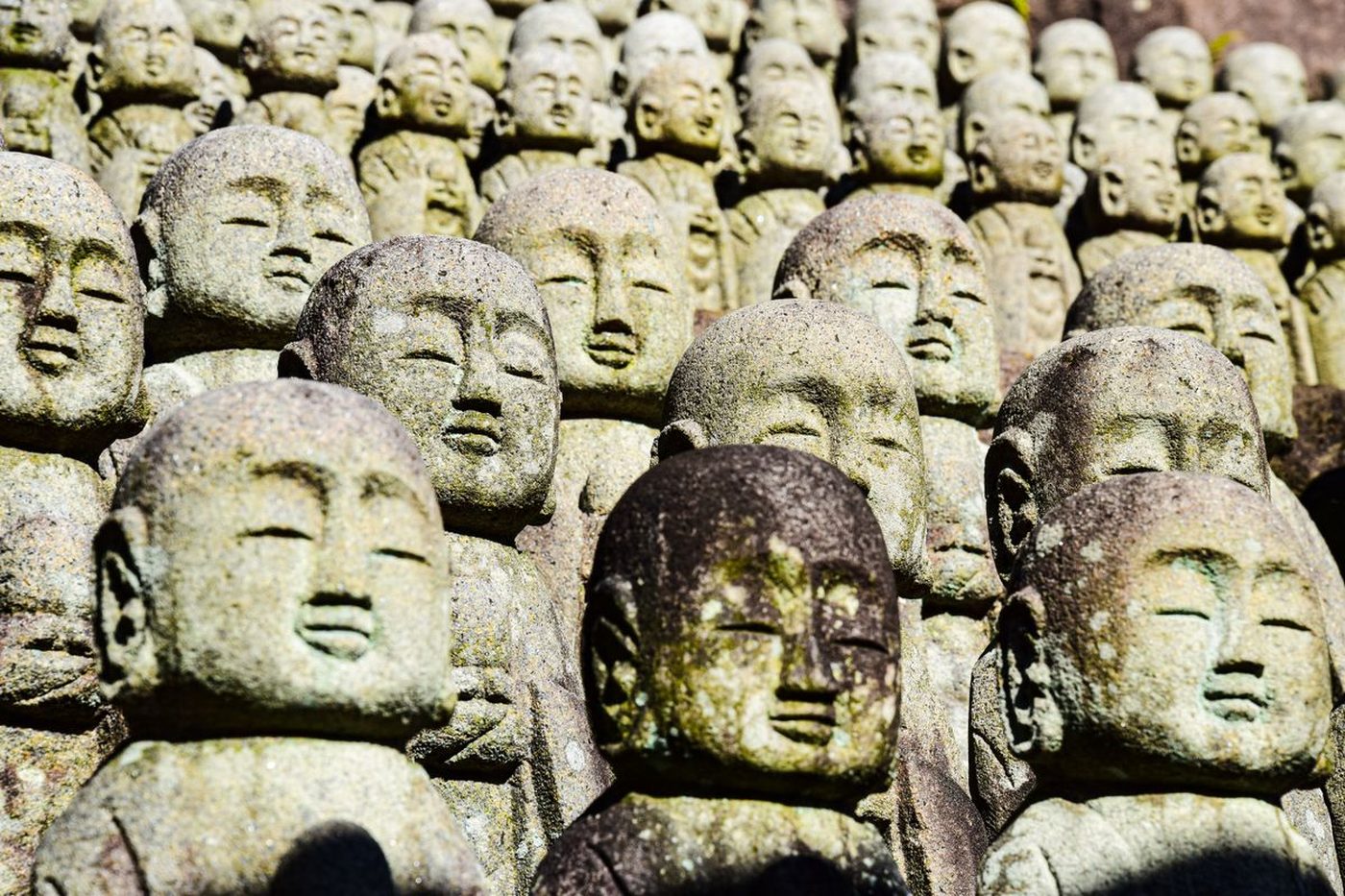
The site rewards a slow pace rather than a checklist — one of the calmest days you’ll spend in Japan.
Omori townscape
Where to stay
Thirty minutes away, Yunotsu Onsen is a working hot-spring town that once shipped Iwami silver to the world. Two public bathhouses, a handful of small ryokan, and its own UNESCO-listed streetscape make it the natural base for an overnight rather than a rushed day trip.
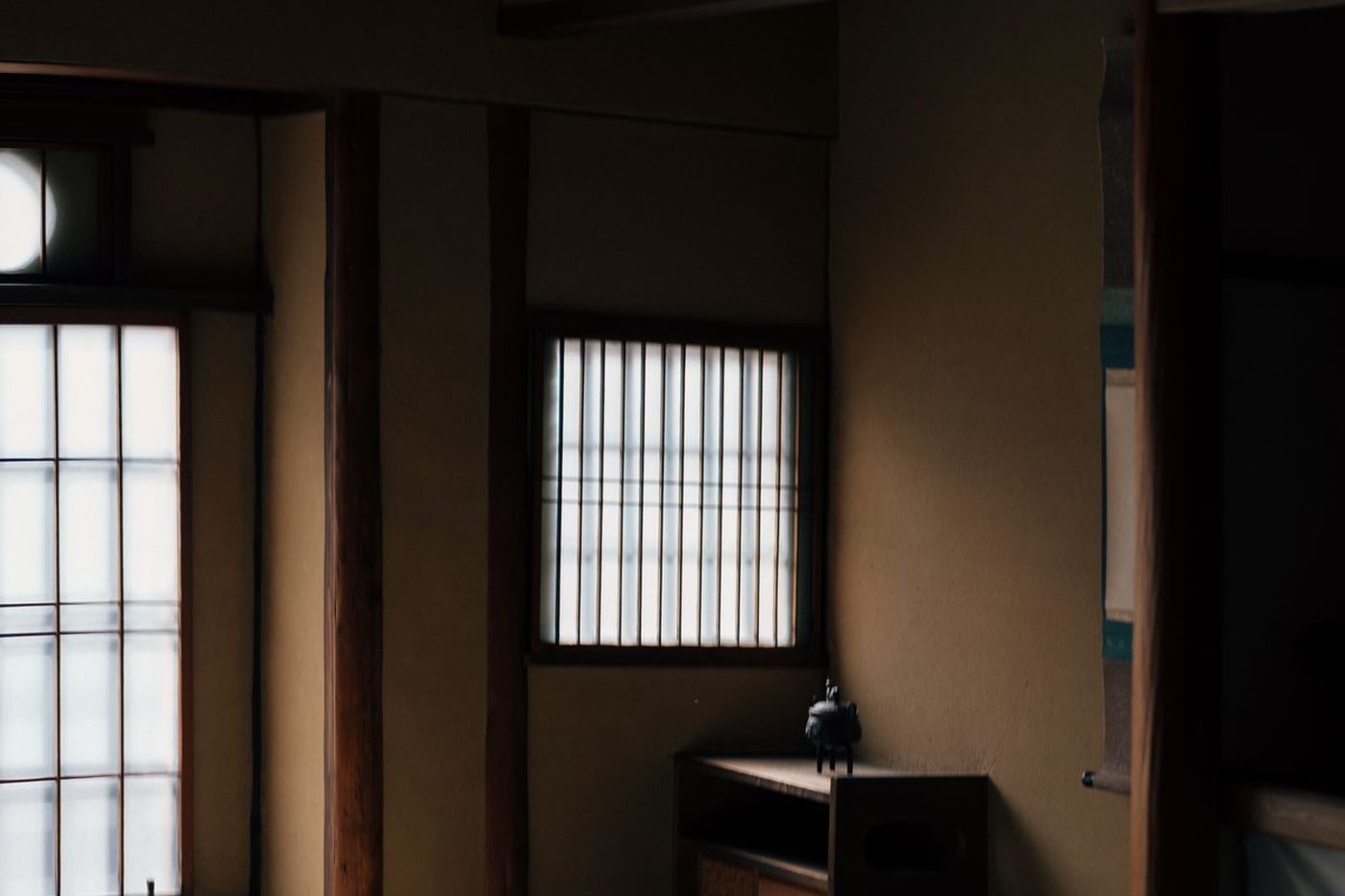
What nobody tells you first
Restaurants are scarce and close early, cash is still king, and the site rewards a slow pace rather than a checklist. Plan meals ahead and you'll have one of the calmest days you'll spend in Japan.
What the full guide adds
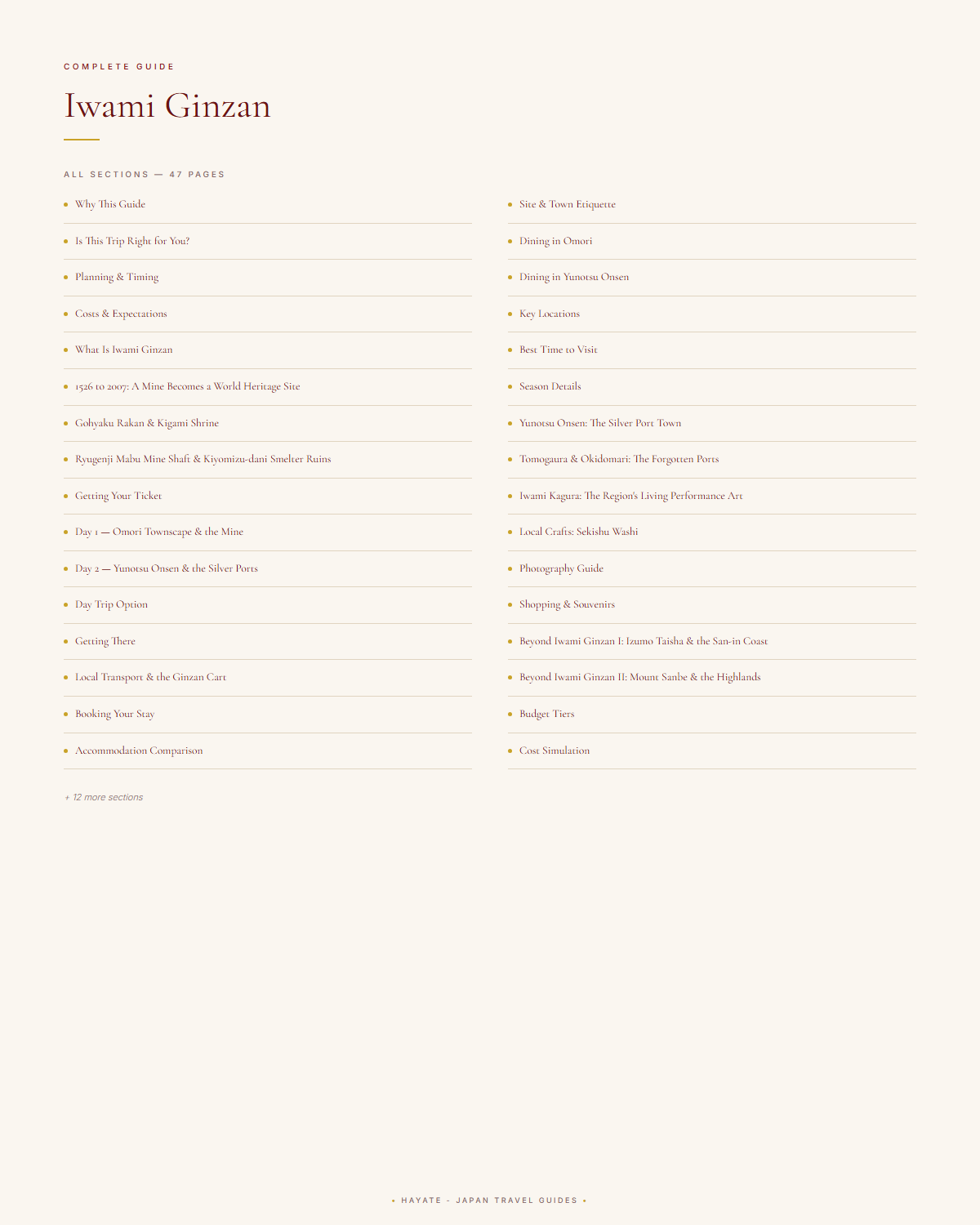
- Full site guide — Omori townscape, Gohyaku Rakan, Ryugenji Mabu mine shaft, and the Kiyomizu-dani smelter ruins
- Yunotsu Onsen deep-dive — the UNESCO-listed hot spring port town most day-trippers skip
- Complete access guide — trains, buses, the Ginzan Cart, and the no-cars rule explained
- Day-trip and 2-day itineraries with hour-by-hour schedules
- Accommodation compared — Omori minshuku, Yunotsu ryokan, and Matsue/Izumo hotels
- History — the 1526 discovery, the global silver trade it fed, and the 2007 UNESCO listing
- Iwami Kagura, Sekishu washi, and day trips to Izumo Taisha, the Nima Sand Museum and Mount Sanbe
- Japanese phrase sheet and packing checklist as bonus PDFs
Sample pages


The complete Iwami Ginzan guide
Hour-by-hour route, exact transport and bus times, admissions, and where to eat in a region with very few restaurants.
Get the guide — US$17 Instant download · 30-day money-back guarantee