A working Buddhist monastery that hasn't stopped operating in over 1,200 years — one of the only places in Japan where the temples let ordinary travellers stay the night, eat with the monks, and join the 6 AM prayer at the mausoleum.
- Get thereLtd. Exp. from Namba
- SeeOkunoin at dawn
- StayShukubo (temple lodging)
- Time1–2 days
Getting there
Koyasan sits in the mountains of Wakayama, reached from Osaka's Nankai Namba Station. The Limited Express "Koya" runs directly to Gokurakubashi in 76–91 minutes depending on the departure; the ordinary express takes a little longer via a transfer at Hashimoto. From there, a cable car climbs the final stretch in five minutes, and a local bus covers the last stretch into town. The Nankai Koya Line isn't covered by the JR Pass — most visitors buy the Koyasan World Heritage Ticket at Namba instead, which bundles the round trip, the cable car, and unlimited town buses for two days.
- From Namba
- Ltd. Express “Koya” or “Rinkan” — 76–91 min to Gokurakubashi, fully reserved
- Base fare
- ~¥930 one way (IC card) — unconfirmed against Nankai's own fare search, see note below
- Express surcharge
- ¥1,100 each way at the window, ¥950 booked ticketless
- Cable car
- Gokurakubashi → Koyasan Station, 5 minutes
- World Heritage Ticket
- ¥4,210 paper / ¥3,980 digital (Namba departure) — round-trip train, cable car, 2-day town bus pass
Fares verified against Nankai Railway's official fare and timetable pages, 13 Aug 2026. The base fare above is the one figure we could not confirm on Nankai's own fare search tool (it only takes interactive input) — treat it as an estimate and check the current fare search before booking. Fares change; if you're reading this more than a few months after the date above, treat these as a starting point, not a quote.
What to actually see
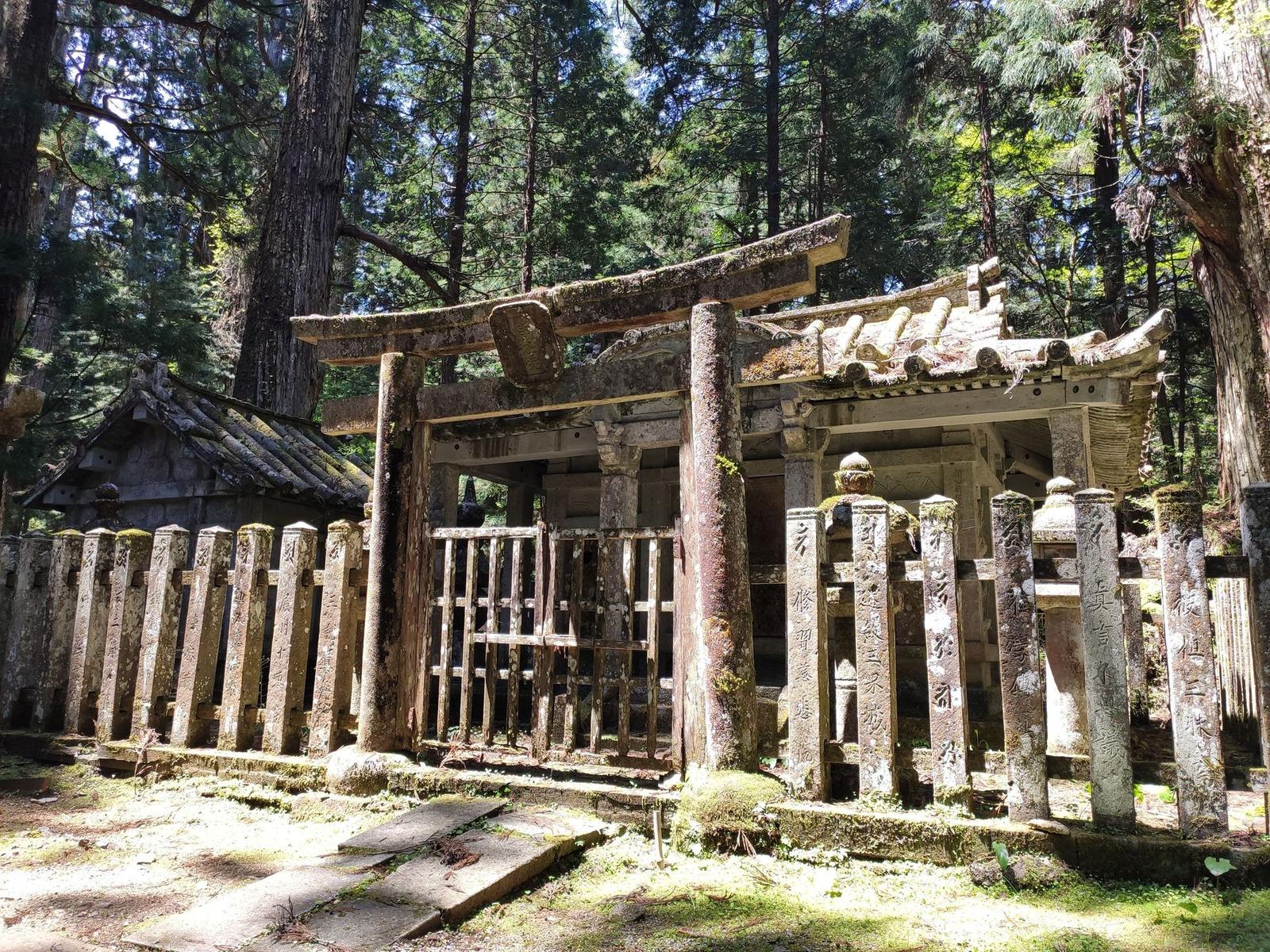
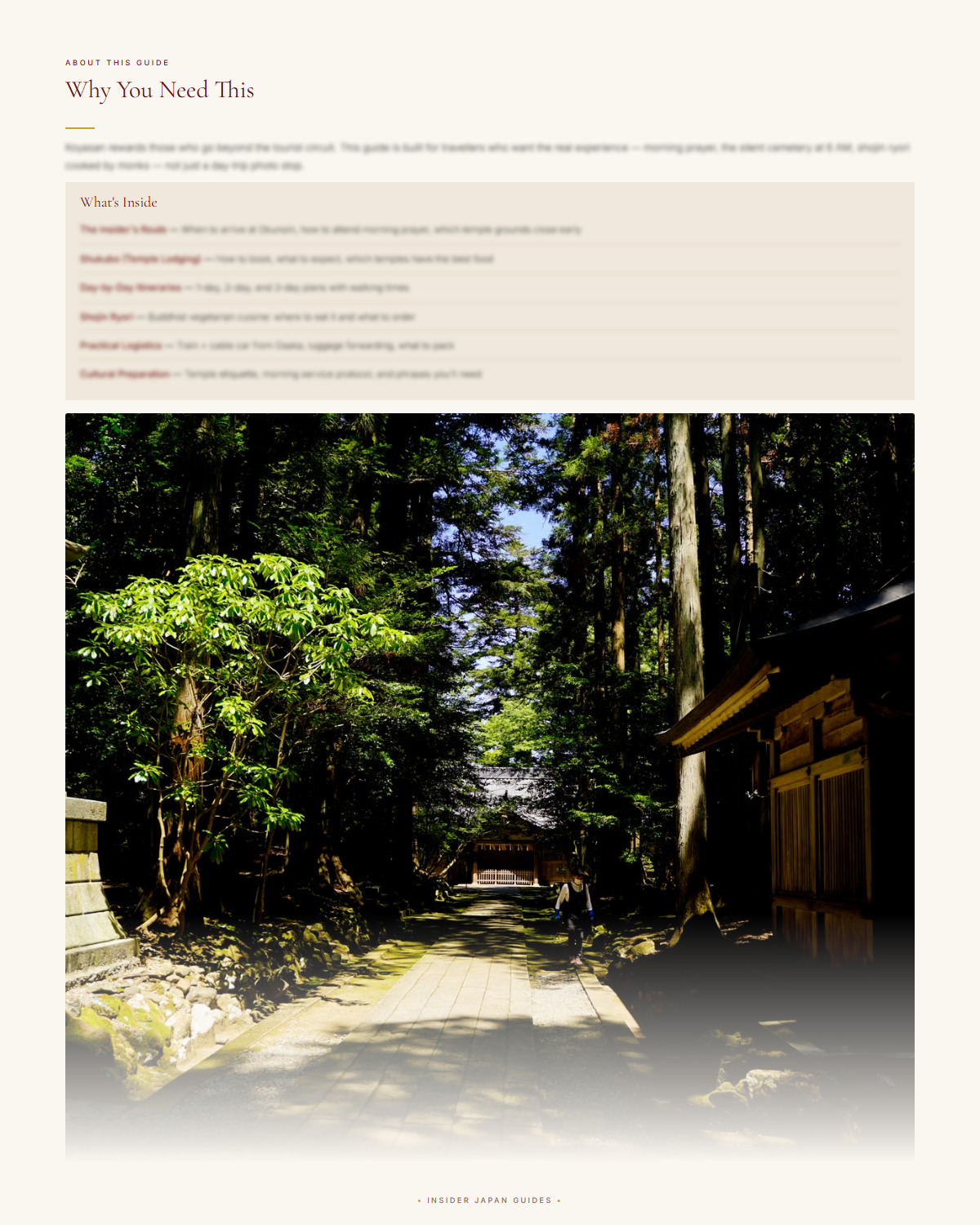
Okunoin is the reason to come: a cedar-lined cemetery of roughly 200,000 lanterns and gravestones leading to Kobo Daishi's mausoleum, where monks have served meals there twice a day for over a thousand years. Walk it at dawn, before the day-trip buses arrive, and you'll likely have the path to yourself. Guests staying overnight can also join the 6 AM morning prayer ritual at the mausoleum — something day visitors simply can't do.
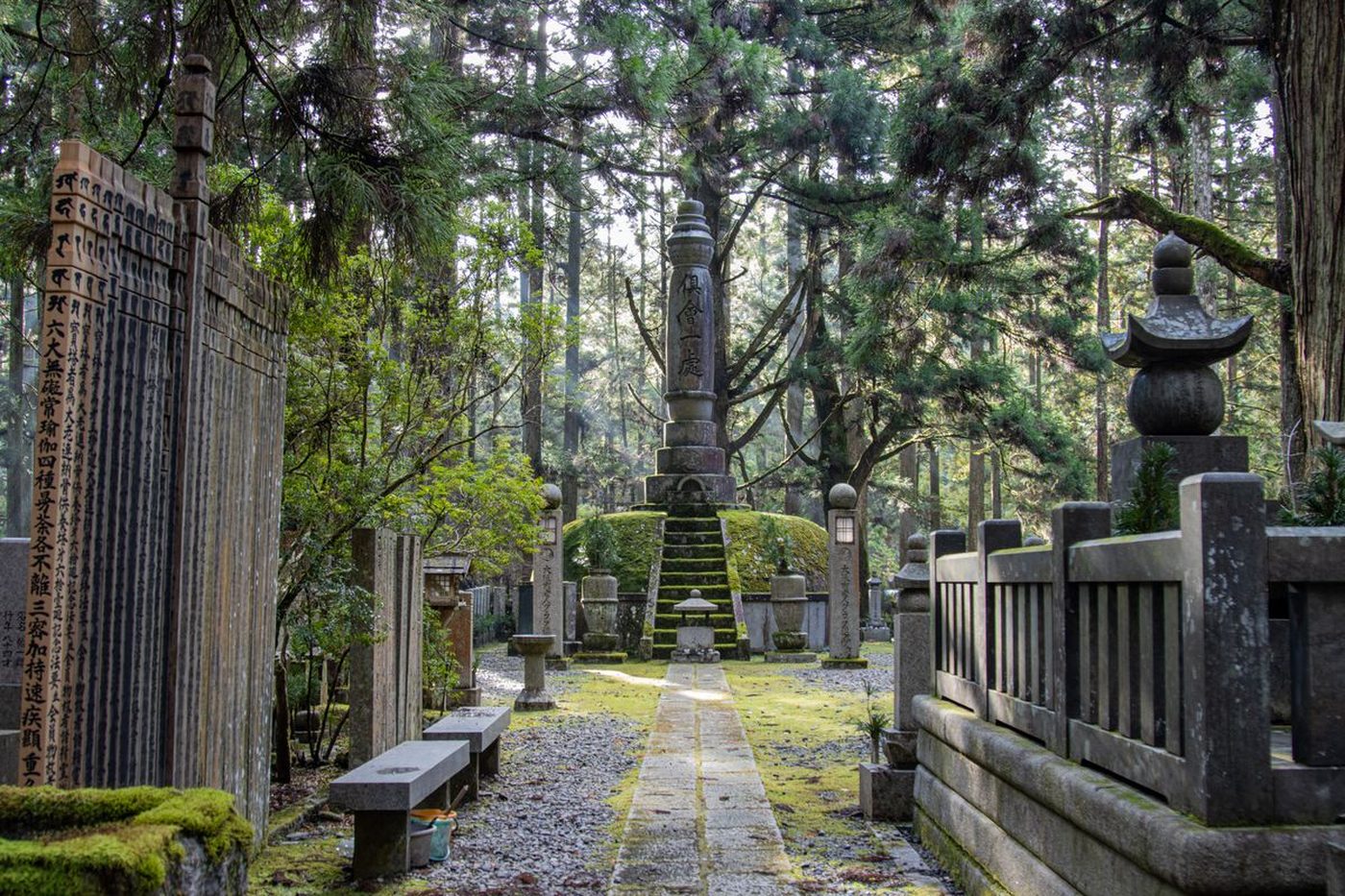
Walk it at dawn, before the day-trip buses arrive, and you’ll likely have the path to yourself.
Okunoin
Where to stay
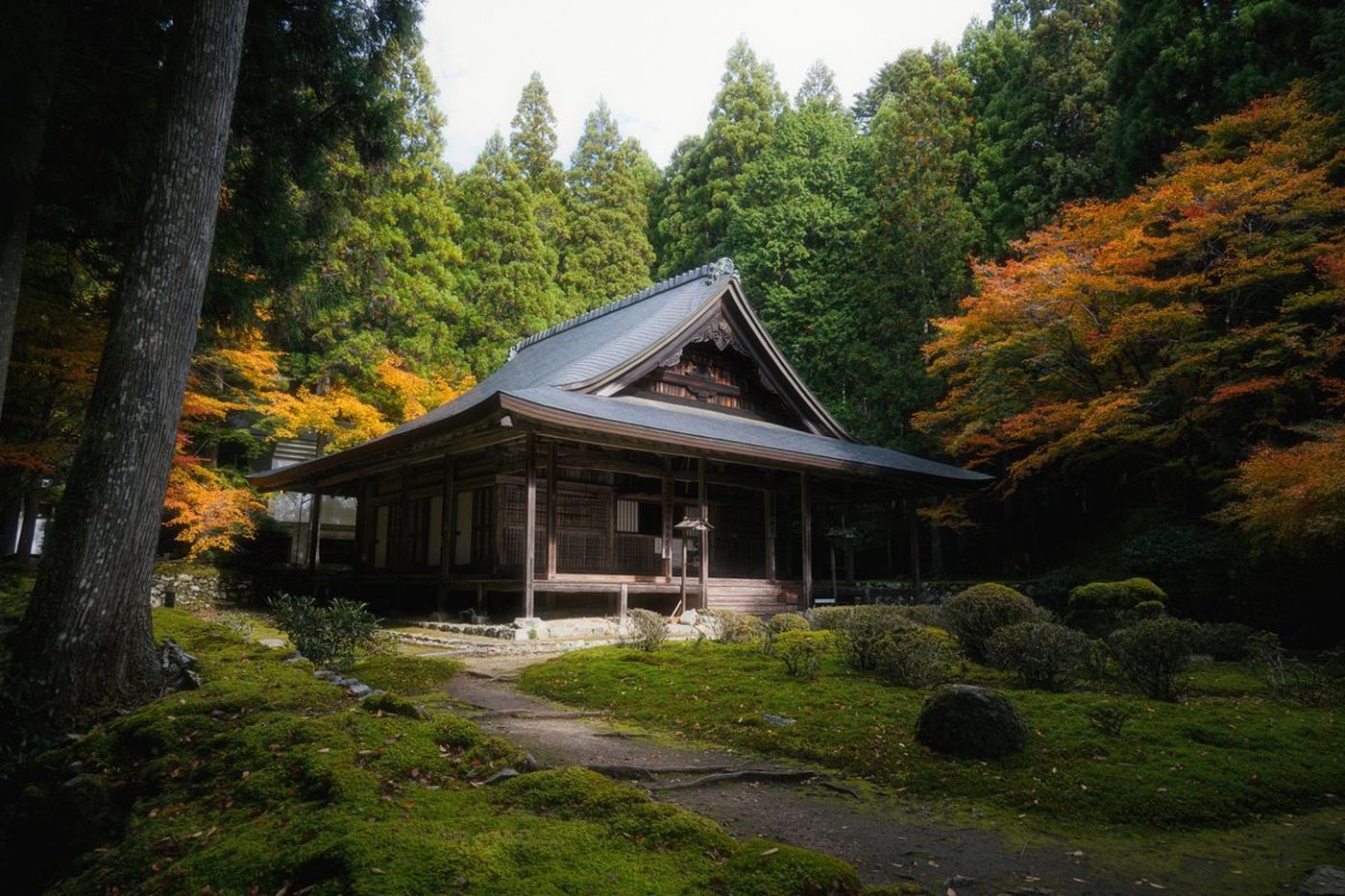
The town's temples take overnight guests as shukubo: you sleep inside a real monastery, eat shojin ryori (Buddhist vegetarian cuisine) for dinner and breakfast, and wake for the morning service. English support and food quality vary a lot between temples, so which one you book matters more here than at an ordinary hotel.
What nobody tells you first
Koyasan is still a rural mountain town — cash matters more than cards, and restaurants outside your shukubo's own kitchen are limited. Temple lodgings also keep an early check-in window and a curfew once the gates close for the night, so this isn't somewhere to arrive late after a long day trip elsewhere.
What the full guide adds
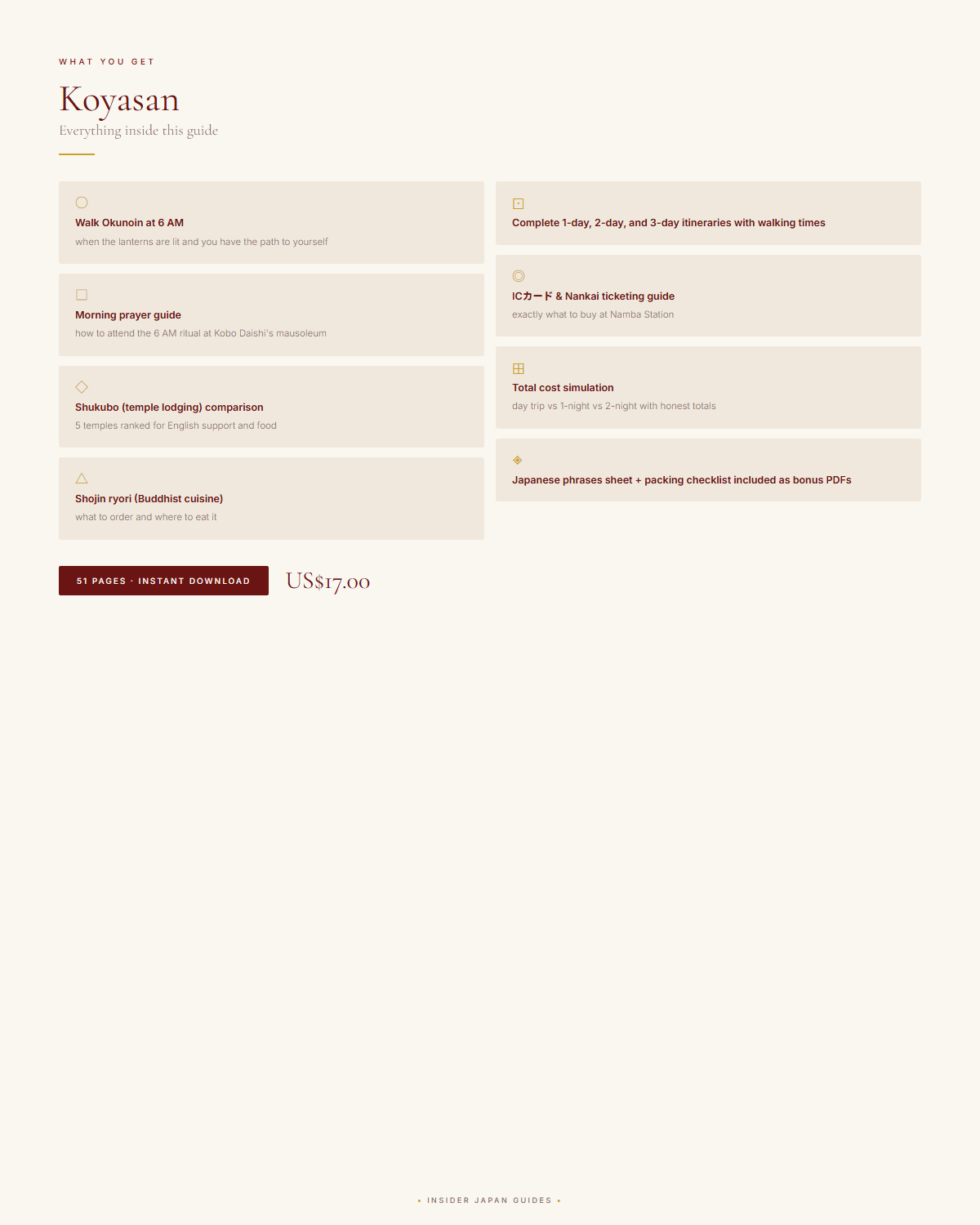
- Shukubo comparison — 5 temples ranked for English support and food
- The 6 AM morning prayer, step by step — what happens and how to join
- Walking Okunoin at dawn, with the route and timings
- Shojin ryori explained — what you are served and what to order
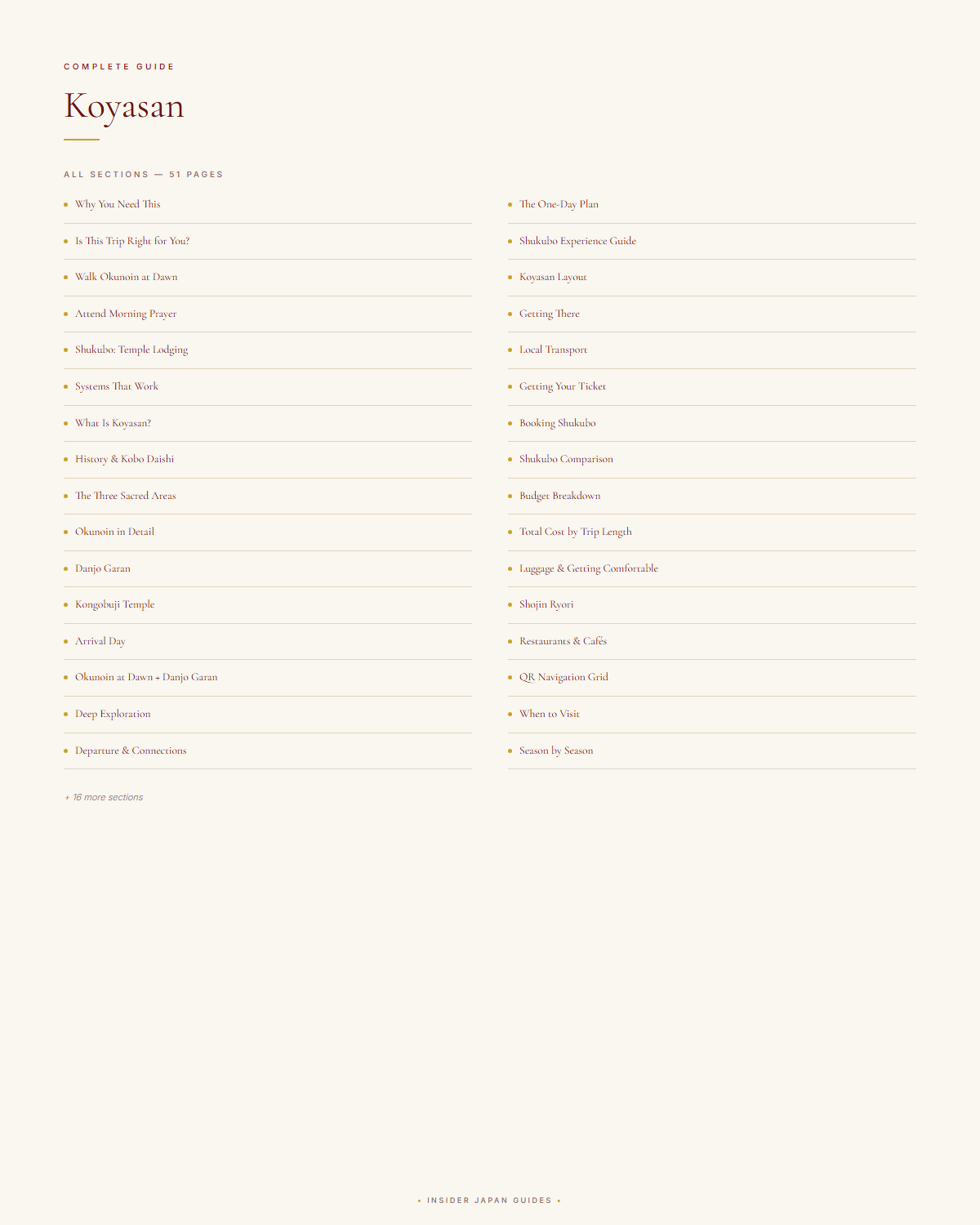
- Complete 1-day, 2-day and 3-day itineraries with walking times
- Nankai ticketing — exactly what to buy at Namba Station
- Cost simulation — day trip vs 1-night vs 2-night, with honest totals
- Japanese phrase sheet and packing checklist as bonus PDFs
Sample pages
The complete Koyasan guide
Which of the 5 shukubo to book, the exact Nankai train and cable car connections, and hour-by-hour 1–3 day itineraries.
Get the guide — US$17 Instant download · 30-day money-back guarantee