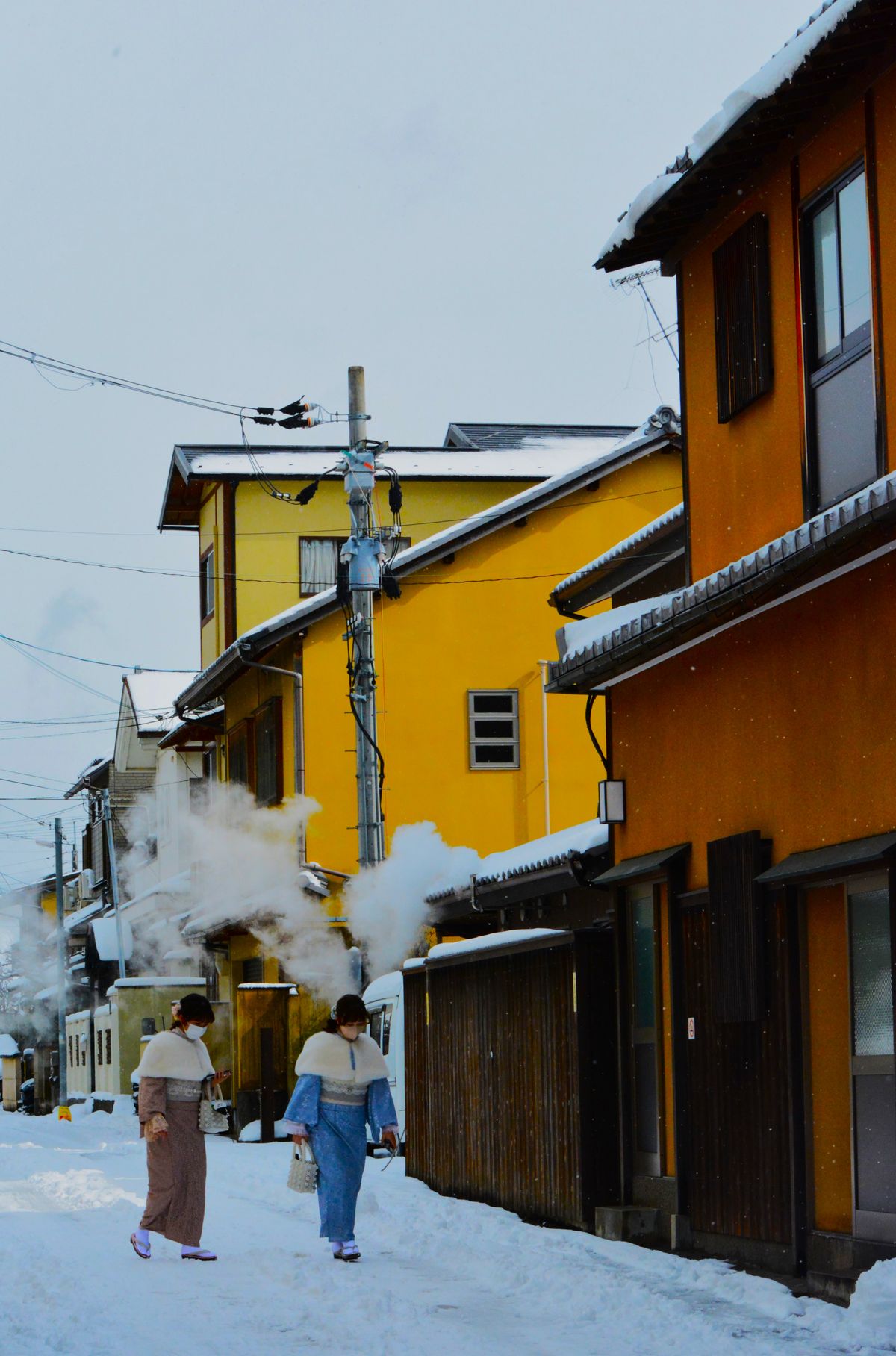
Thirteen public bathhouses, all free, none of them staffed. You open a wooden door, drop a coin in the box, and join a system the neighbours have run between themselves for centuries.
- Get there2 hrs from Tokyo
- See13 free soto-yu
- StayRyokan or minshuku
- Time1–2 nights
Getting there
From Tokyo this is a two-hour trip and mostly on a bullet train. Take the Hokuriku Shinkansen to Iiyama — about an hour and forty minutes — then the Nozawa Onsen Liner bus for the last 25 minutes. From Nagano Station, the direct Alpico bus takes about an hour and twenty.
Both drop you at the Chuo bus terminal in the middle of the village. Nothing else is needed: everything here is walkable, though the lanes are narrow, occasionally steep, and under snow for much of the winter. Leave the wheeled suitcase behind if you can.
The village sits at 570–600 m with the ski area rising to 1,650 m above it. That matters less for transport than for expectations — this is a working mountain village that happens to have a resort attached, not the other way around.
- From Tokyo
- Hokuriku Shinkansen to Iiyama (~1h40) + Nozawa Onsen Liner bus (~25 min)
- From Nagano
- Direct Alpico bus to the Chuo terminal — about 1h20
- On arrival
- Everything is walkable; the lanes are narrow, steep and snowy in winter
- Bathhouses
- 13 soto-yu, free, generally 5:00/6:00 AM to 11:00 PM
- Donation
- ¥100–500 a visit in the box by the door, by custom
What to actually see
The thing to do here is the soto-yu meguri — the round of the village's thirteen public bathhouses. There is no pass to buy and no reception desk. You open the door, undress, bathe, and put ¥100–500 in the donation box on the way out. Each bathhouse is cleaned and maintained by the households around it, in rotation, which is a system that has largely disappeared elsewhere in Japan.
Start at Ōyu, the bathhouse at the centre of the village and the one every photograph shows. The oldest of them runs around 40°C, gentler than several of the others — and the difference between bathhouses here is tens of degrees, not a few. If the water is beyond what you can take, get out and walk to another one; nobody expects you to endure it.
The other landmark is not a bath at all. Ogama is the village's kitchen: an open hot spring where residents still cook vegetables and eggs in water hot enough to scald. Watch from the marked area and do not touch it. Some ryokan will hand you eggs and send you up.
Beyond that, the village itself — the fire festival square five minutes from Ōyu, Kenmeiji temple where the turnip that became nozawana arrived in the 18th century, and the upper lanes where growers sell their own pickles.
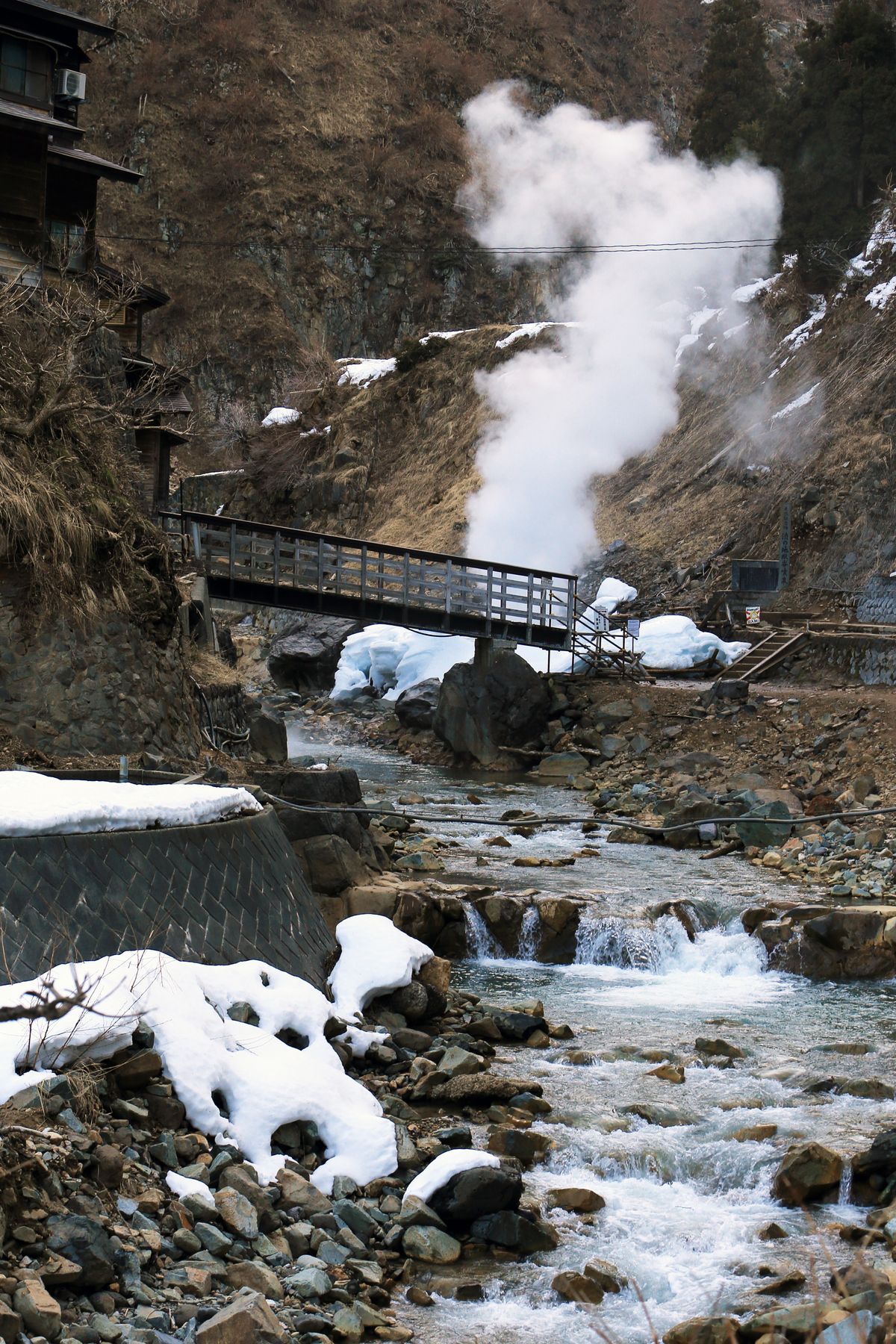
No ticket booth, no admission fee. Just a wooden door and a donation box.
Soto-yu meguri
Where to stay
Stay in the village, and stay Japanese-run if you can. A minshuku is ¥8,000–14,000 per person with dinner and breakfast, family-run and usually the best conversation of the trip. Mid-range ryokan run ¥16,000–28,000 with tatami rooms and a proper dinner; the international ski lodges near the gondola go from ¥30,000 and are the easiest to book in English.
Whichever you pick, ask at check-in for the soto-yu map and the current opening hours — they vary by bathhouse and change with local circumstances, and your inn is the only reliable source. A good ryokan will also explain the etiquette before you go out.
One date needs planning far ahead: the Dosojin Fire Festival on 15 January, the busiest night of the village's year. Book four to six months out, or come at another time.
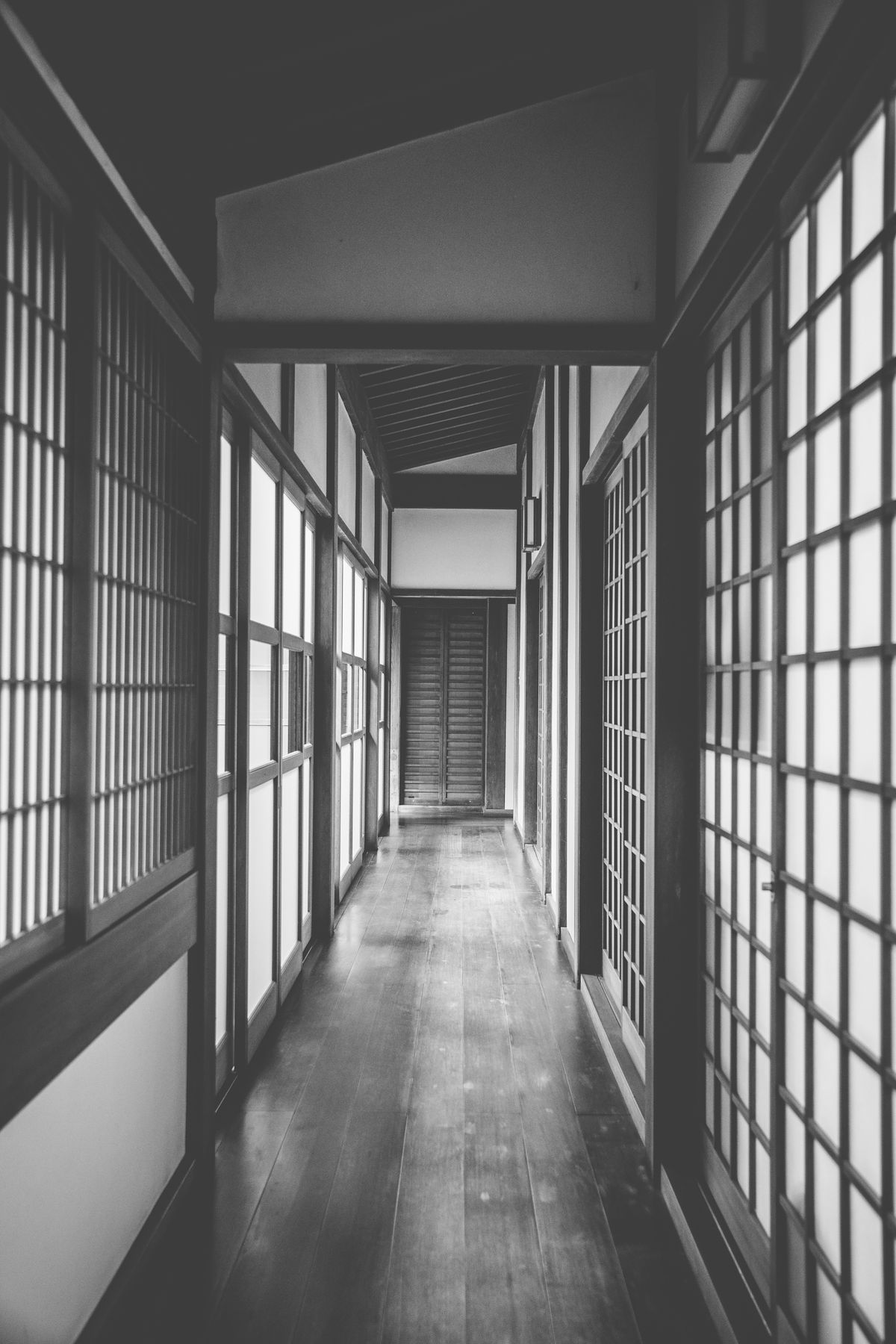
What nobody tells you first
The bathhouses are unstaffed. There is no towel rental, no soap for sale, and nobody to ask — bring your own small towel and take your valuables back to the ryokan. The expectation in the soto-yu is a quick communal soak rather than a full wash, which is the opposite of what ticketed onsen towns teach you; most of them discourage soap altogether.
Two practical limits worth knowing before you book. Visible tattoos are discouraged or prohibited at most soto-yu — ask your ryokan about a private bath instead. And several bathhouses have a raised threshold and a cramped changing room, so step-free access is not reliable here.
What the full guide adds
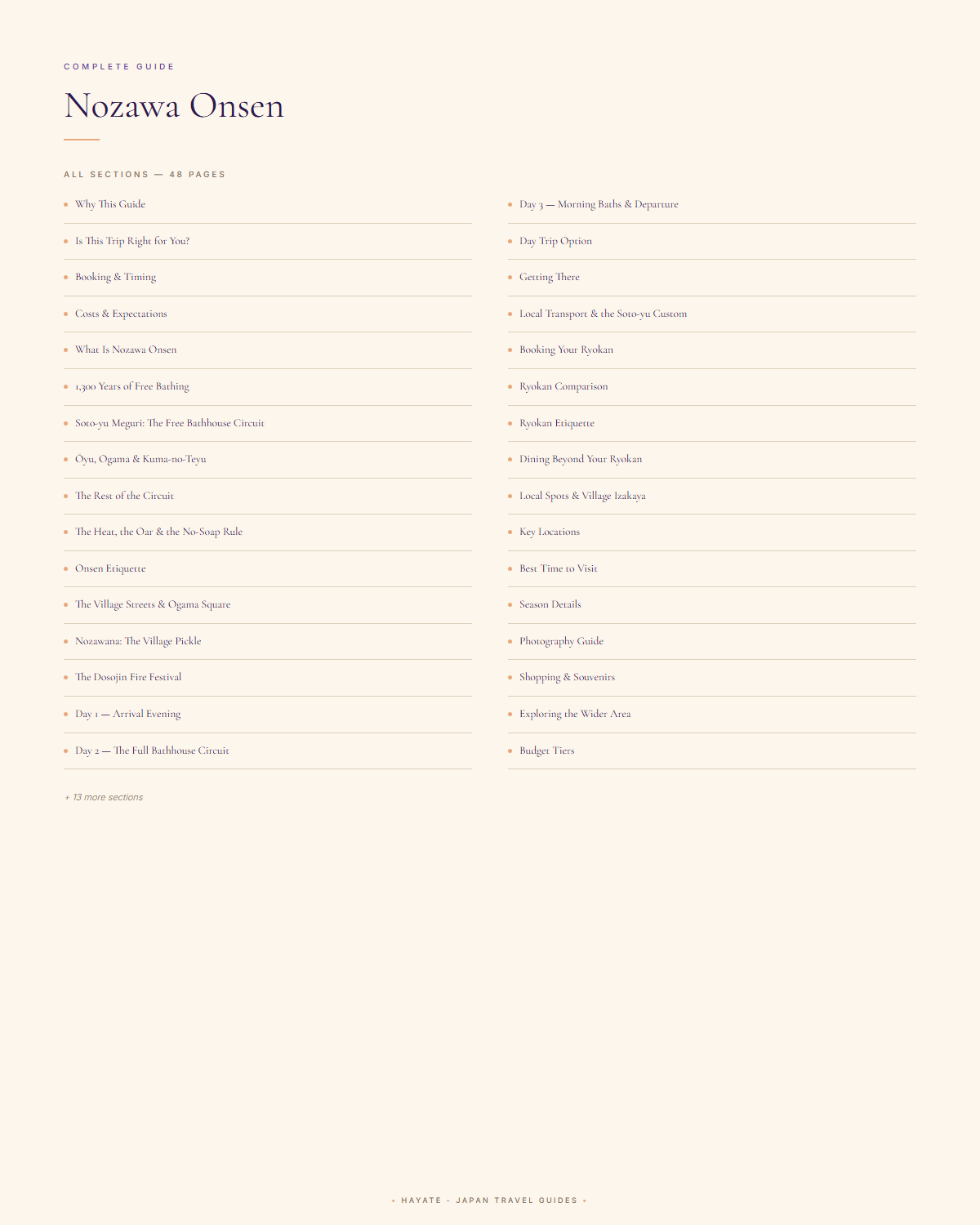
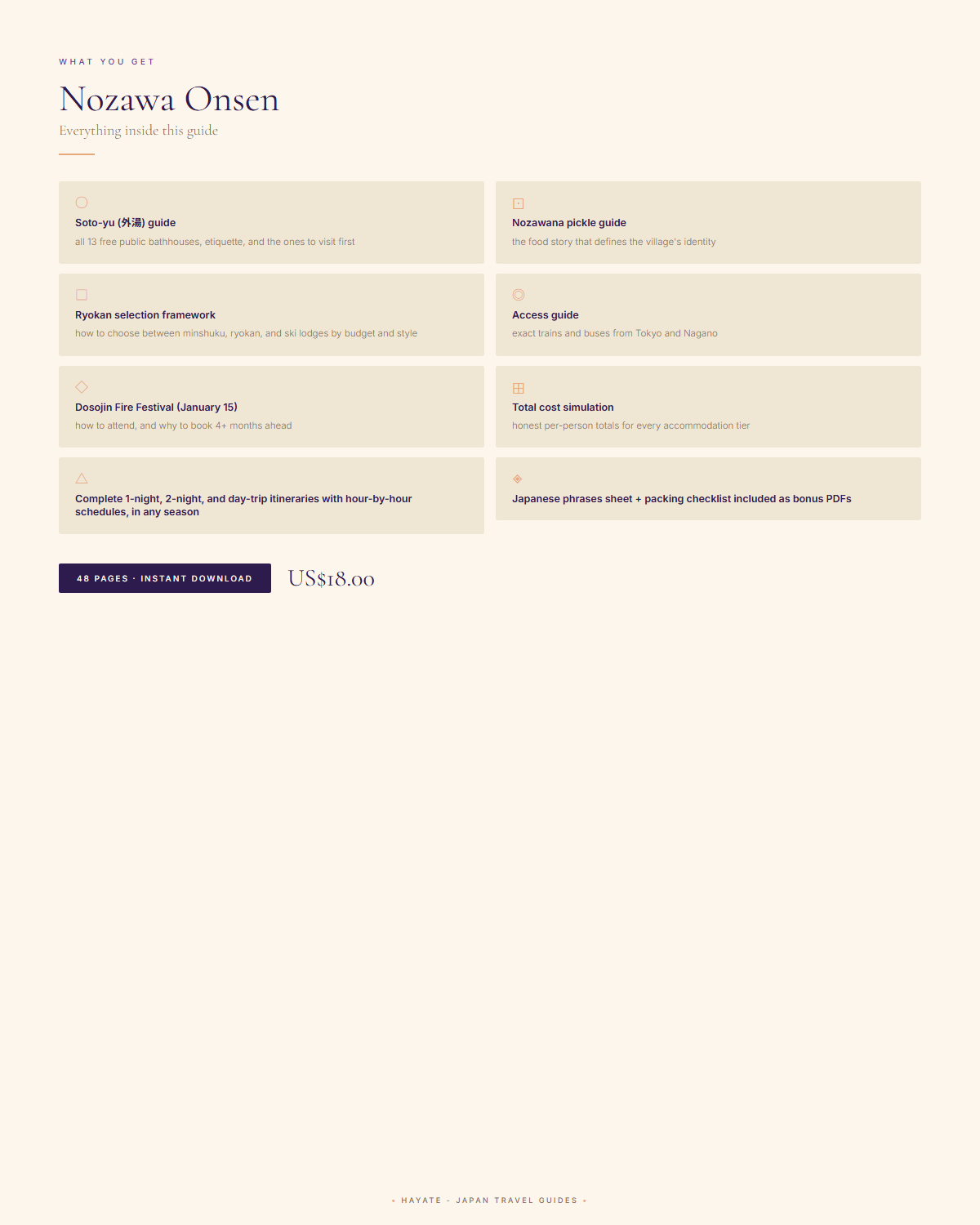
- Soto-yu (外湯) guide — all 13 free public bathhouses, etiquette, and the ones to visit first
- Ryokan selection framework — how to choose between minshuku, ryokan, and ski lodges by budget and style
- Dosojin Fire Festival (January 15) — how to attend, and why to book 4+ months ahead
- Complete 1-night, 2-night, and day-trip itineraries with hour-by-hour schedules, in any season
- Nozawana pickle guide — the food story that defines the village's identity
- Access guide — exact trains and buses from Tokyo and Nagano
- Total cost simulation — honest per-person totals for every accommodation tier
- Japanese phrases sheet + packing checklist included as bonus PDFs
Sample pages
The complete Nozawa Onsen guide
All thirteen bathhouses with the order to try them in, the etiquette explained properly, ryokan compared by tier, and the fire festival covered in full.
Get the guide — US$18 Instant download · 30-day money-back guarantee