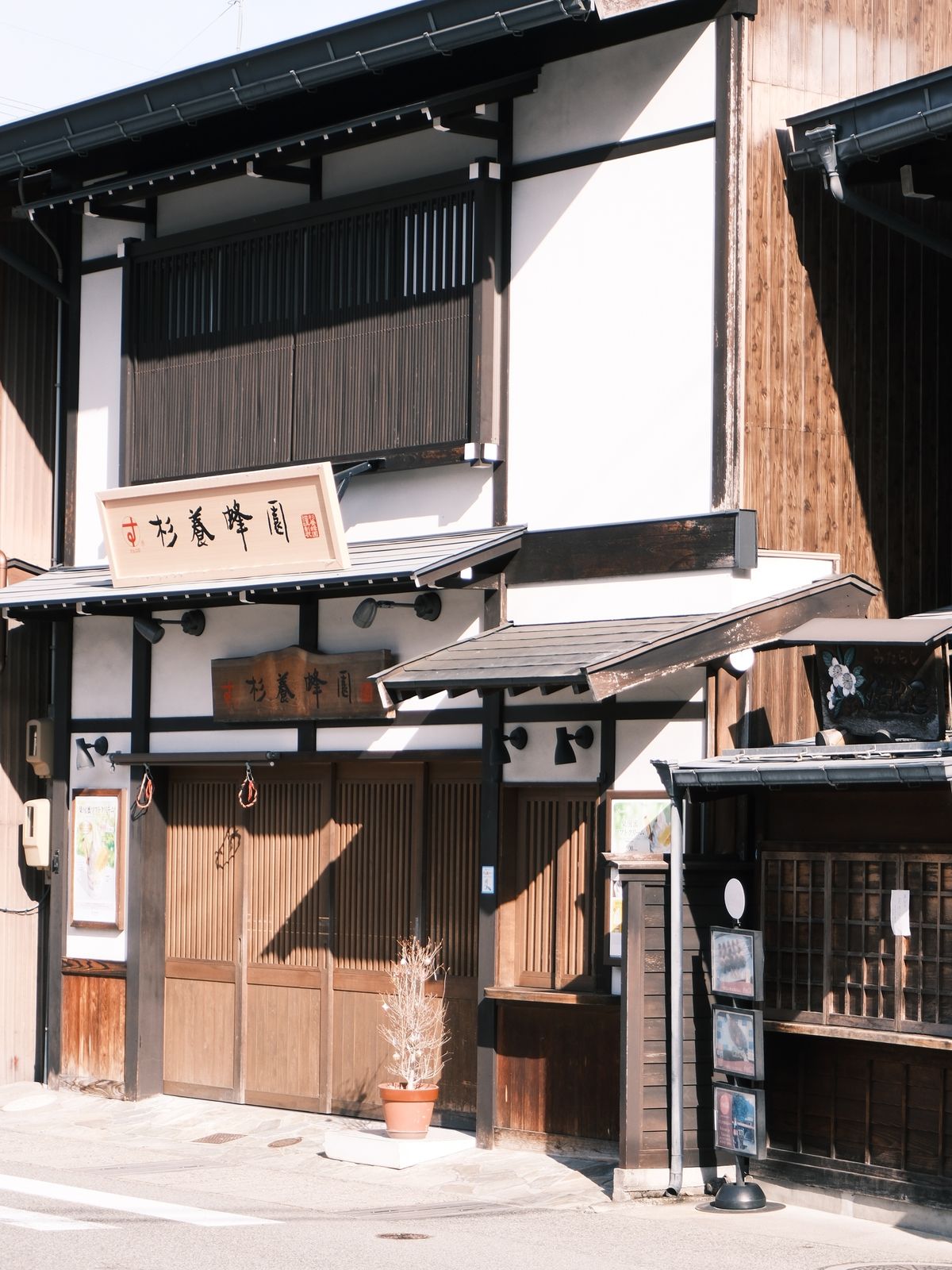
Sanmachi Suji is not a reconstruction. Families have lived behind these lattice fronts since the 17th century — and before nine in the morning, the street is almost entirely yours.
- Get there2.5 hrs from Nagoya
- SeeSanmachi Suji · Jinya
- StayIn town, overnight
- Time2 days
Getting there
Takayama sits in the mountains of Gifu on the JR Hida limited express line, which makes it far easier to reach than its position suggests. From Nagoya it is about two and a half hours and ¥6,000, roughly hourly. From Tokyo, allow about four and a half hours and ¥16,000 via Nagoya.
Reserve seats around Golden Week, the festival dates and autumn foliage season — this is a single-track mountain line and the trains genuinely fill. Coming from the north, Kanazawa is about two and a half hours by bus or train, and Shirakawa-go is only 50 minutes by bus, which makes the two an obvious pair.
At the station there are coin lockers for day bags. For a suitcase, same-day takkyubin forwarding to your next hotel is cheap and widely used — ask at your accommodation rather than dragging it over the old town's cobbles.
- From Nagoya
- JR Hida limited express — about 2h30, ~¥6,000, roughly hourly
- From Tokyo
- Via Nagoya — about 4h30, ~¥16,000
- From Kanazawa
- About 2h30 by bus or train
- Shirakawa-go
- About 50 minutes by bus — an easy add-on
- Luggage
- Coin lockers at the station; takkyubin forwarding for suitcases
What to actually see
The old town is three preserved merchant streets known as Sanmachi Suji, and the whole question is what time you walk them. Before 9 AM they are nearly empty; between 10 and 4 they belong to tour groups. Several machiya cafés open early, and a coffee on that street beats any hotel breakfast.
The morning markets run alongside it — Miyagawa on the riverside and Jinya-mae by the gate, both roughly 7 AM to noon, selling produce, pickles and sarubobo dolls. Behind the lattice fronts, several sake breweries pour walk-in tastings from about 10 to 4 at ¥200–500 a cup; the cedar ball hanging over the door, the sugidama, is how a brewery announces its new season.
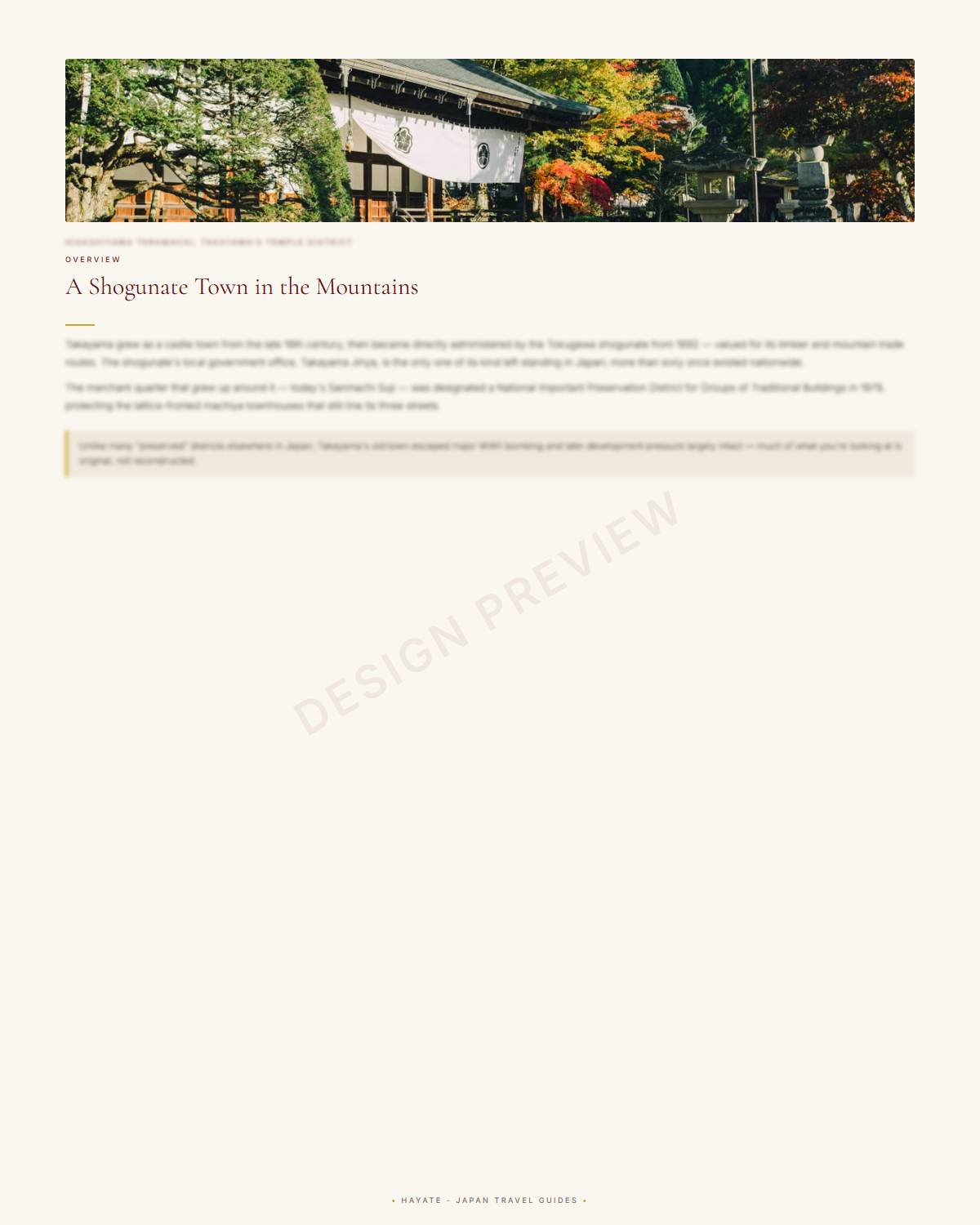
Takayama Jinya is the only surviving Edo-period government house of its kind — the governor's residence, the storehouses and the white-sand courtroom, 45 to 60 minutes for the full complex. The heritage houses Yoshijima and Kusakabe are 20–30 minutes each and cost around ¥400–500.
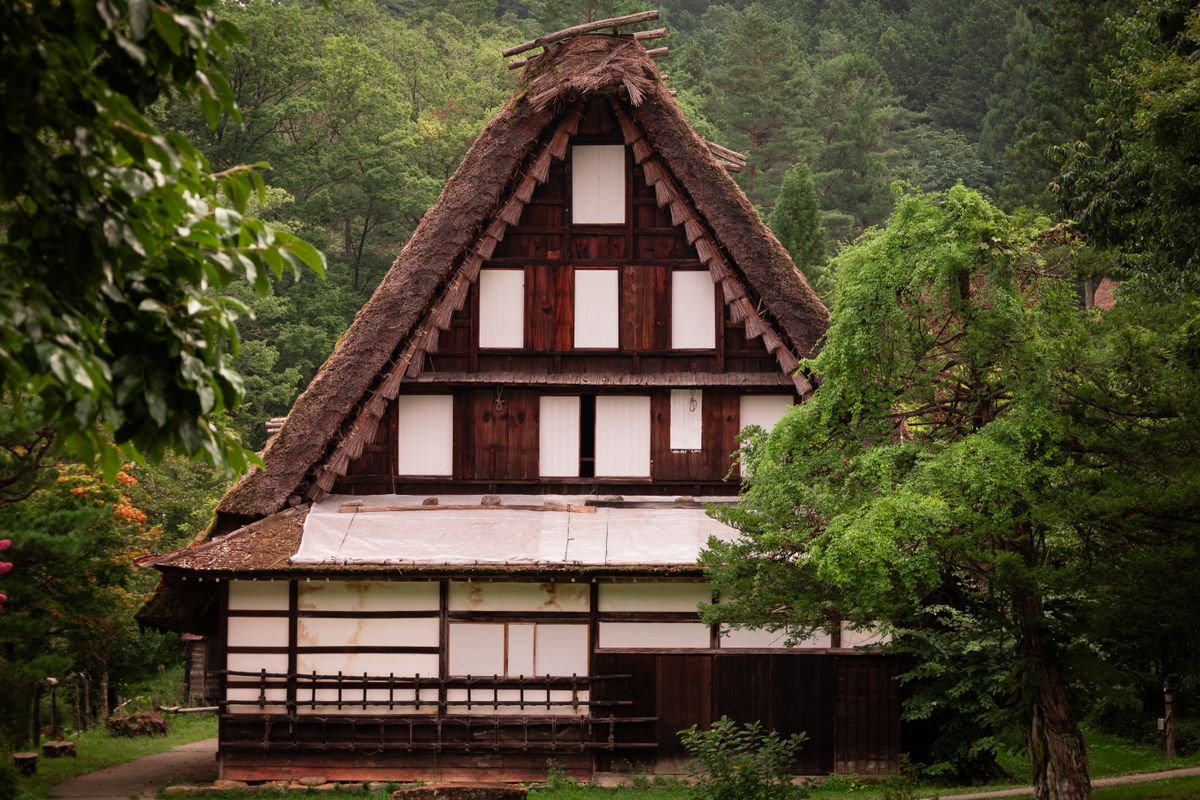
When Sanmachi Suji gets busy, the answer is Higashiyama Teramachi: a 3.5 km walking course past more than a dozen temples on the eastern hillside, quiet even on the worst afternoon. On a second day, Hida no Sato's folk village and the Yatai Kaikan — where several of the twelve UNESCO-listed festival floats are displayed year-round — fill the morning.
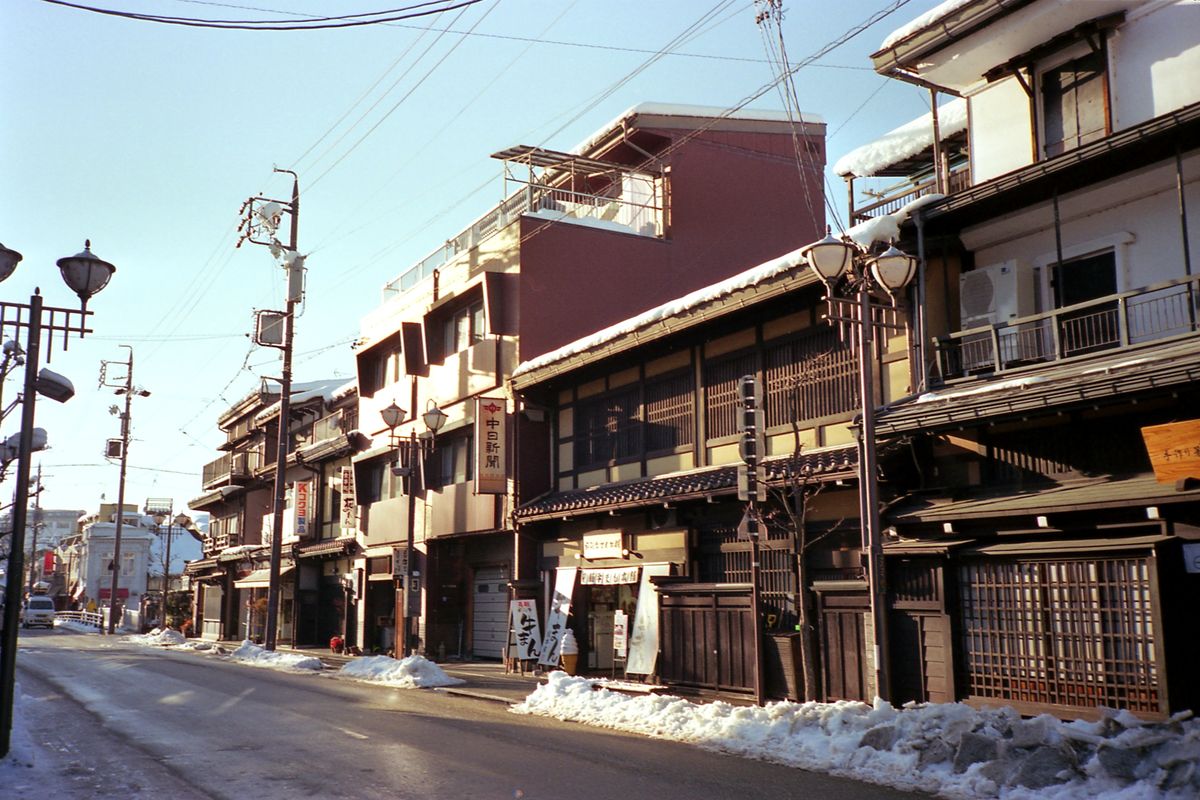
The old town before the tour buses is a completely different place from the old town at one in the afternoon.
Sanmachi Suji, 8 AM
Where to stay
Stay in town. Takayama's entire appeal is being on that street at eight in the morning, and a day trip from Nagoya deletes exactly the part worth coming for.
The range runs from ordinary business hotels near the station to ryokan with a kaiseki dinner built around Hida beef. A night and two days based here covers the old town, the Jinya, the temple walk and Hida no Sato without hurrying any of it.
Two dates need booking far ahead: the Spring Sanno Matsuri (14–15 April) and the Autumn Hachiman Matsuri (9–10 October), when the floats are paraded. They are among Japan's three great festivals, and they are the busiest days of the Takayama year.
What nobody tells you first
Nothing here is seasonally closed — the difference between months is weather, crowds and whether the floats are out. That makes timing a daily question rather than a calendar one: be in the old town before nine, take the markets while the stalls are fresh, and use the middle of the day for the Jinya, the temple walk or Hida no Sato.
Small entry fees add up — the Jinya and each heritage house are around ¥400–500 — so pick three or four sights a day rather than collecting all of them. Tickets are sold on the spot and need no advance booking except on festival weekends, and brewery tastings are walk-in during business hours.
What the full guide adds
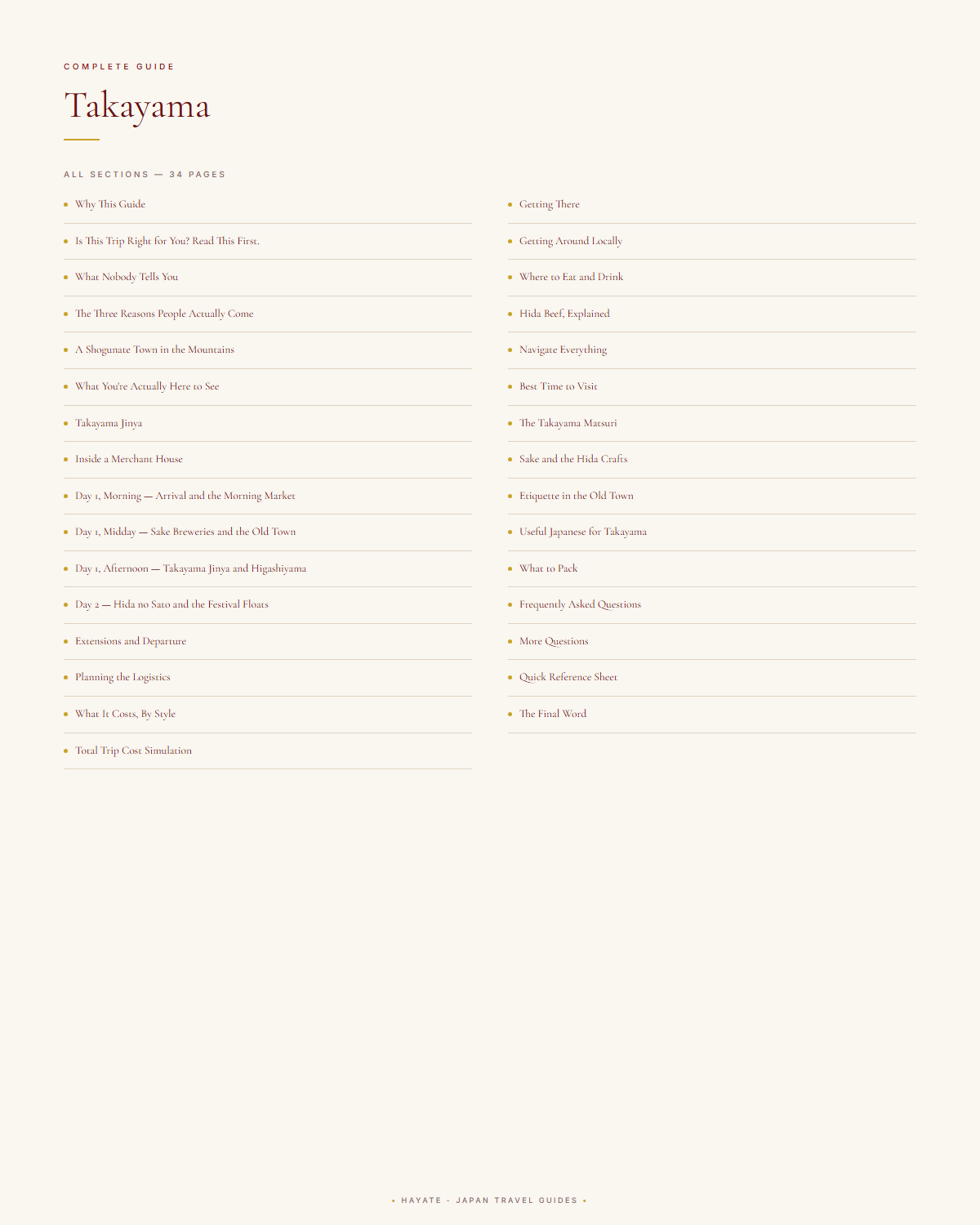
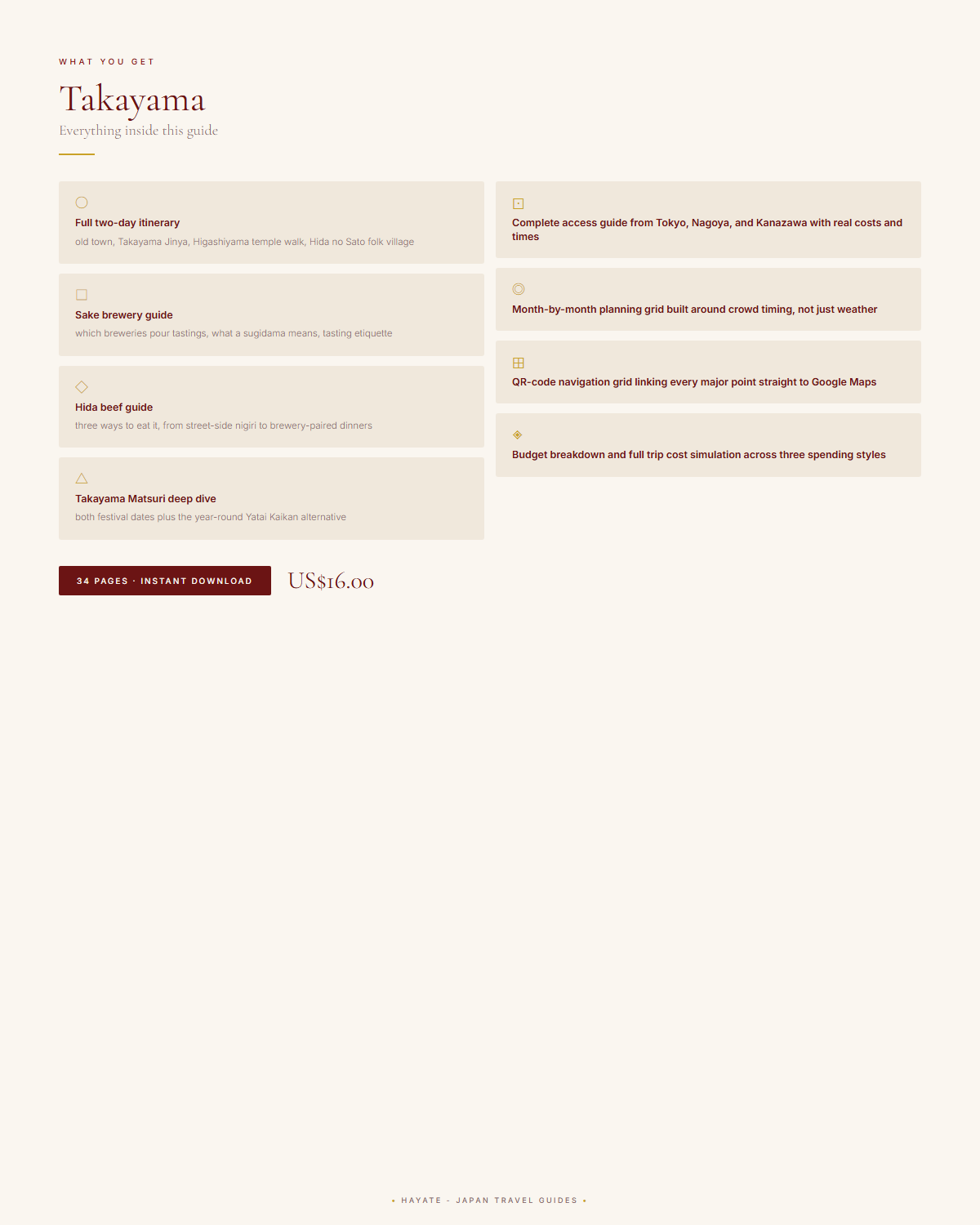
- Full two-day itinerary — old town, Takayama Jinya, Higashiyama temple walk, Hida no Sato folk village
- Sake brewery guide — which breweries pour tastings, what a sugidama means, tasting etiquette
- Hida beef guide — three ways to eat it, from street-side nigiri to brewery-paired dinners
- Takayama Matsuri deep dive — both festival dates plus the year-round Yatai Kaikan alternative
- Complete access guide from Tokyo, Nagoya, and Kanazawa with real costs and times
- Month-by-month planning grid built around crowd timing, not just weather
- QR-code navigation grid linking every major point straight to Google Maps
- Budget breakdown and full trip cost simulation across three spending styles
Sample pages
The complete Takayama guide
Two-day itinerary, the sake brewery guide with tasting etiquette, three ways to eat Hida beef, and the crowd timing that decides your morning.
Get the guide — US$13 Instant download · 30-day money-back guarantee